
Avoid Sickness in Peru
Immunizations
Consider getting some immunizations before you travel. The CDC website recommends Hepatitis A and Typhoid for most travelers to Peru. If you are going to Northern Peru, or the jungle, consider Malaria Pills. (Malaria pills are not a recommended by the CDC if you are just going to Arequipa, Lima and the part of Cusco where Machu Picchu is. There's a map on the CDC website.)
CDC ImmunizationsMedications
When you get your immunizations, ask your doctor about altitude sickness medicine, as well as antibiotics to be used if you get a food borne illness. We made use of both while in Peru, and were glad we had them.
Zika Virus
Many South American countries are experiencing an outbreak of the mosquito-borne Zika virus. Since the mosquitos that carry Zika are active during the day, it is a good idea to wear bugspray daily.
CDC Zika infoIntestinal Distress
You can talk to your doctor ahead of time and get a prescription for the antibiotic Cipro, just in case you get some Montezuma’s revenge. My husband and I both used it during our trip, and it worked quite well. One night I went to bed feverish, with chills and roiling stomach. I took the Cipro, and by morning I was feeling human again. We both got Hepatitis A and Typhoid shots before we left.
You may not be able to completely avoid intestinal distress, but you should start by drinking only bottled water, eating in nice, fairly expensive restaurants, and avoiding fresh lettuce and strawberries. Missionaries are not allowed to eat these two foods because they are irrigated with contaminated water.
Altitude Sickness
Altitude sickness can happen when a person quickly goes to higher altitudes than they are used to, especially altitudes over 8000 ft.. There is less oxygen in the air, and the body can't get enough through normal breathing. Though temporary, altitude sickness can be very distressing. It can also be life threatening, so don't take it lightly.
I experienced altitude sickness in Cusco. When we landed, I felt fine, but within an hour I was nauseated and tired. We had a tour of local ruins scheduled, so I tried to push through it. I vomited once, and found I couldn't catch my breath. As we walked, I was unable to do more than shuffle slowly along. Each time I tried to walk faster, I would get dizzy. I worried I would black out. I had to stop to rest often. It was pretty miserable. Thankfully, it only lasted one day. The next morning I felt fine.
Experts advise ascending to elevation gradually. You might try planning your travel to gradually increase in altitude. If you start in Lima at sea-level, then go to Arequipa at 7700 ft., followed by Cusco at 11,000 ft., and finally Puno at12,000, you will give yourself time to acclimate to the altitude. Traveling by bus rather than plane will also gradually accustom you to the elevation.
There is a prescription for altitude sickness pills, which you would start taking before you fly to high altitudes. You can ask your doctor about it before traveling to Peru. I got a prescription when I went to get my immunizations.
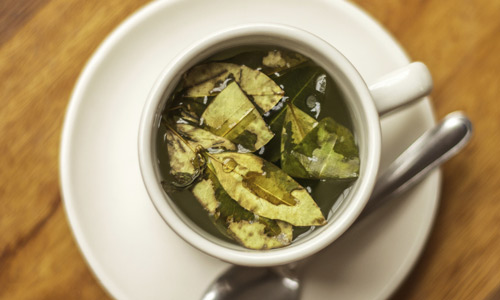
Locals in Peru advise drinking coca tea. Coca tea is a hot drink made from the leaves of the plant that is used to make cocaine. Our LDS guide assured us that drinking the tea isn’t against the Word of Wisdom (though chewing the leaves is). It will cause you to test positive on a drug test though, so you may want to steer clear anyway. Also, it tastes disgusting. I tried it because I was suffering from altitude sickness, despite taking altitude sickness pills. I'm not sure if it helped or not.
Altitude Sickness InformationSunburn
Peru is very close to the equator, and many of the cities are at very high altitudes. This makes the sun's rays very strong. Wear sunscreen every day, and reapply! I live in San Diego, and we went at the end of the summer. We got burned!
Cleanliness
I read horror stories about Peruvian bathrooms on the Internet, but all of the bathrooms I used were clean and fairly modern, with soap, running water, toilet paper, etc. I used mainly hotel, restaurant, and museum bathrooms. I brought tons of hand sanitizer, Clorox wipes, hand wipes, and tissues for bathroom visits, but I didn’t need them. I did use the hand wipes before eating meals. The main difference that I saw about Peruvian bathrooms is that you can’t flush the toilet paper, and have to put it in the garbage can that is usually sitting next to the toilet.
Stay Safe in Peru
Personal Safety
- Dress and actions
- Don't call attention to the fact that you are tourists.
- Don't wear expensive looking clothing or jewelry.
- Don't look lost or helpless.
- Don't tell people where you are staying, and don't discuss your plans in public.
- Don't answer the door of your hotel room for a hotel employee without first calling the front desk.
- Stay in public, well lit, touristy areas and be aware of your surroundings.
- Money
- Only have enough cash for one day, and keep it in multiple locations on your person. That way, if you get pickpocketed or robbed, you will only lose a small amount of your money.
- Don't pull out a large amount of cash in front of shopkeepers or on the street.
- Passports
- Take a photocopy of your passports to carry with you. Keep your original in the hotel safe or hidden in your luggage. You will need the original at airports and to check in at hotels.
- Purses
- If you take a purse, choose one that you can close completely, with a cross body strap.
- Always keep your purse in front of you, where you can see it.
- Don't keep valuables in your purse. Use it for water bottles, snacks, wet wipes, etc.
- When traveling in a taxi, put your purse on the floor, rather than in your lap or on the seat. This will discourage thieves from breaking the window to grab it.
- Cameras
- Don't take an expensive camera. Take an older, inexpensive one.
- Don't leave your camera or phone sitting out on a table next to you.
- Use a wrist strap when you have your camera out, and put it away when you are done with it.
Having said all this, I have to say that I never felt in danger of getting robbed. We started out using a money belt under our clothes, but after the first few days, we switched to just keeping things in front pockets. The people we encountered were helpful and friendly. Still, it's a good idea to take precautions, so your trip will be a positive experience.
Taxi Safety
- Agree on a price and destination before you get into the taxi.
- Write down the name and address of each place you plan to go, including your hotels (in Spanish). If you are having trouble communicating with your taxi driver, you can simply show him the address.
- Make sure you know if the price is in Soles or Dollars.
- Don’t be afraid to say no and find another taxi if you don’t like the price.
- Pick taxis that are from big companies like Megatur, Taximundo, and Taxitel.
- Pick taxis that looked nice, not run down.
- Be aware of your surroundings and who is approaching on foot as you get into a taxi.
- Trust your gut. If you are uncomfortable, don't get in.
- Put your luggage in the trunk so it isn't tempting for thieves on foot looking through the windows.
- Have your hotel call you a taxi for you. It may cost a little more, but you can trust it is from a reputable company.
- If you find a taxi driver that you like, talk to them and see if they will drive you on all your excursions in that city.
Tourism Police
Peru has a special police unit that deals with crimes involving tourists. Their job is to ensure the safety of foreign tourists. They are stationed at most tourist attractions, and in the regular police station. They speak English. If you are involved in a crime, or if you feel you have been cheated, you should contact them or ask for them.
Sister Sullivan booked a Colca Canyon tour while she was in Arequipa. When they got to the canyon, they found that the booking agent had not paid for their park entrance fees and lunch as promised. When their guide found out, he went and got the tourist police to help. The police got their money back for them, and asked Sister Sullivan to file a complaint, to help future tourists from being cheated.